The Ecosystem

An ecosystem for skills, work and lifelong development

Synchrocity builds a digital skills infrastructure that makes it possible to understand, develop and mobilize skills across people, businesses, education and society.

The ecosystem consists of several specialized products, but all are built on the same foundation: a structured occupational catalog, MIRA skills, tasks, levels and semantic matching.

This means that experience from one context – school, work, volunteering, training or practice – can be translated into skills that can be used in another context: job matching, learning, internal HR, prior learning assessment, task sharing or emergency preparedness.

Services
Job · Learning · HR · School · Tasks · Emergency preparedness
Profile
User-owned skills profile
Foundation
Occupational catalog · MIRA · Tasks · Semantic analysis
The simple explanation

Three layers. One shared skills engine

Synchrocity's ecosystem can be understood as a layered model. At the bottom lies the skills infrastructure. In the middle is the user's lifelong skills profile. At the top are the products that use the same data model to solve specific needs for individuals, employers, schools, partners and public actors.

The unique feature is that all parts speak the same language. A skill identified in a school activity, a job advertisement, a course, a work task or an internal job description can be reused and understood in the other modules.

SharedskillsinfrastructureOccupation catalogue · MIRATasks · Semantic matchingUser-owned skills profileExperience · Learning · Interests · Goals · Prior learningKarrierepassetJobb.liveLearnPathStillingshubOppgave+FluentPathKarrierekompassetBeredskapskompasset
Impact
InclusionMobilityLearningInternal HRPrior learningPreparedness
01

The Foundation

Occupational catalog, MIRA skills, tasks, levels, skills signatures and semantic analysis.

Creates a common language for skills across systems and sectors.

02

The Profile

A user-owned skills profile developed through school, work, learning, practice and career.

Makes experiences, interests, potential, goals and prior learning visible.

03

The Services

Job matching, learning, internal HR, prior learning assessment, task sharing, language, school and emergency preparedness.

All services become more precise because they use the same data foundation.

When all services use the same language for skills, matching becomes better, learning more relevant and decisions more precise.
What makes the ecosystem unique?

No more isolated systems. One cohesive infrastructure

Most HR, learning and job platforms solve one problem at a time. One solution handles CVs. Another handles courses. A third handles job advertisements. A fourth is used for internal HR. The problem is that the data can rarely be understood across these platforms.

Synchrocity solves this by building all products around the same skills structure. A skill from Career Passport can be used in Jobb.live. A skills gap from a position can be linked to LearnPath. A job description from Job Hub can be used for HR, recruitment and skills planning. A student's work in Career Compass can later become part of a lifelong skills profile.

Traditional systems

  • Isolated data sources
  • CV, courses, HR and jobs separated
  • Lots of free text and manual interpretation
  • Weak link between skills and action
  • Difficult to reuse data across platforms

Synchrocity's ecosystem

  • Shared skills foundation
  • Profile, job, learning and HR are connected
  • Structured and semantic analysis
  • Skills gaps are linked to concrete next steps
  • Data can be understood and used across systems

The ecosystem becomes more valuable the more it is used

Every profile, role and task that is structured makes the skills foundation richer. Richer data provides more precise matching, more accurate learning and faster mobilization – which in turn attracts more users and businesses.

  • More profiles provide better matching
  • More roles and tasks provide better skills requirements
  • Better data provides more accurate learning paths
  • Faster mobilization of available skills
More profilesMore rolesand tasksRicher skillsdataBetter matchingSharper learningFaster mobilisationThe ecosystem improvesthe more it is used
From experience to action

How skills move from experience to action

The ecosystem makes it possible to go from fragmented experiences to concrete mobility. It is not just about documenting what people have done, but about understanding what those experiences mean, what they can be used for, and which steps should be taken next.

01

Map

The user collects experience, education, courses, interests, preferences, goals, practical skills and prior learning.

02

Translate

The occupational catalog, MIRA and the task structures turn experiences into structured skills, tasks and levels.

03

Match

The profile is matched against occupations, positions, job pools, courses, internal roles, tasks and formal requirements.

04

Develop

Skills gaps become concrete learning paths, micro-courses, language training, guidance and onboarding.

05

Mobilize

Individuals move forward faster, employers find and develop skills, and social actors can mobilize hidden capacity.

From data about people – to insight, development and mobility.

The Products

Multiple products. Same skills foundation

Each product in Synchrocity's ecosystem solves a clear need. The great value arises when the products are connected and built on the same skills infrastructure.

Career Passport

Career Passport

The user's lifelong skills profile

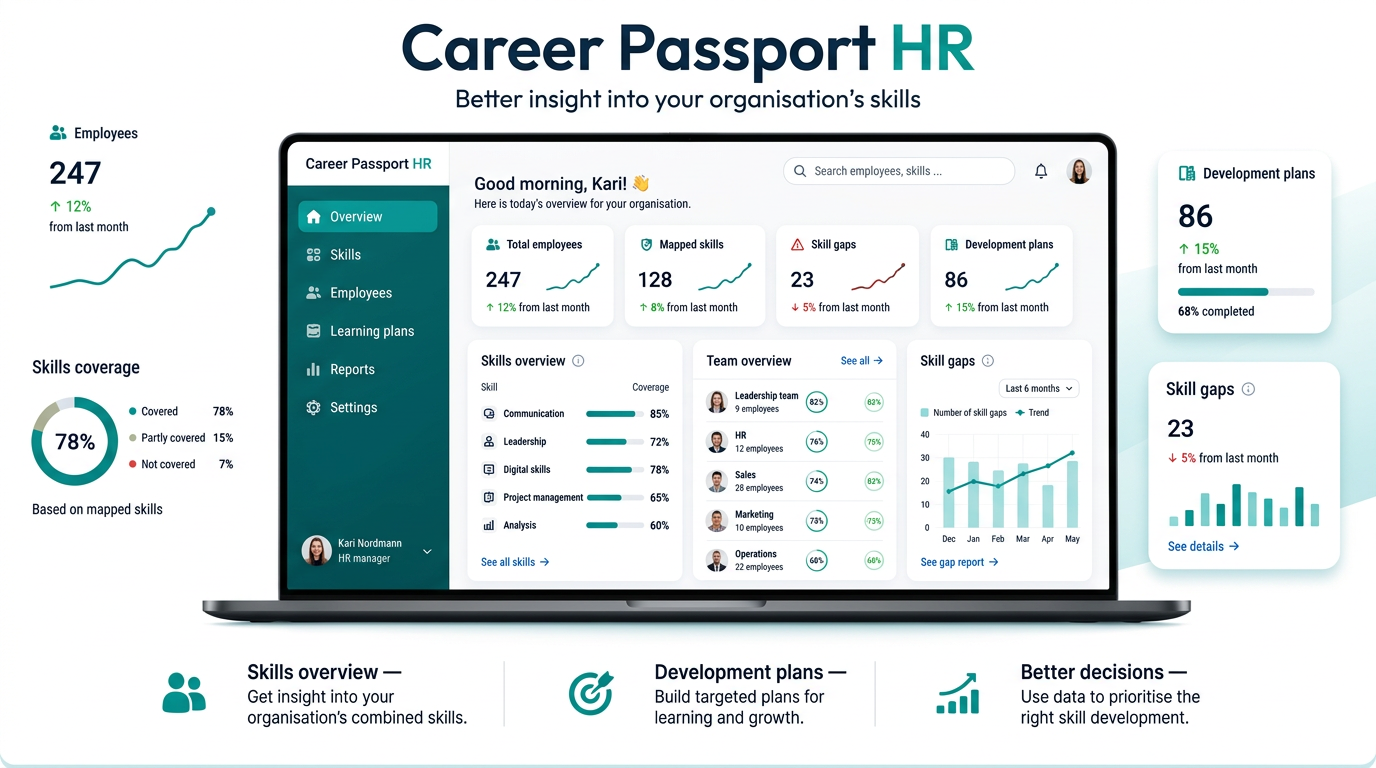
Career Passport collects work experience, education, courses, certificates, interests, preferences, personal attributes, goals and prior learning in one living profile. The profile is more than a CV – it translates experiences into skills that can be matched against occupations, jobs, courses, tasks and development paths.

Role in the ecosystem: Career Passport is the user's hub in the ecosystem.

Read more
Jobb.live

Jobb.live

Job matching, candidate flow and inclusive recruitment

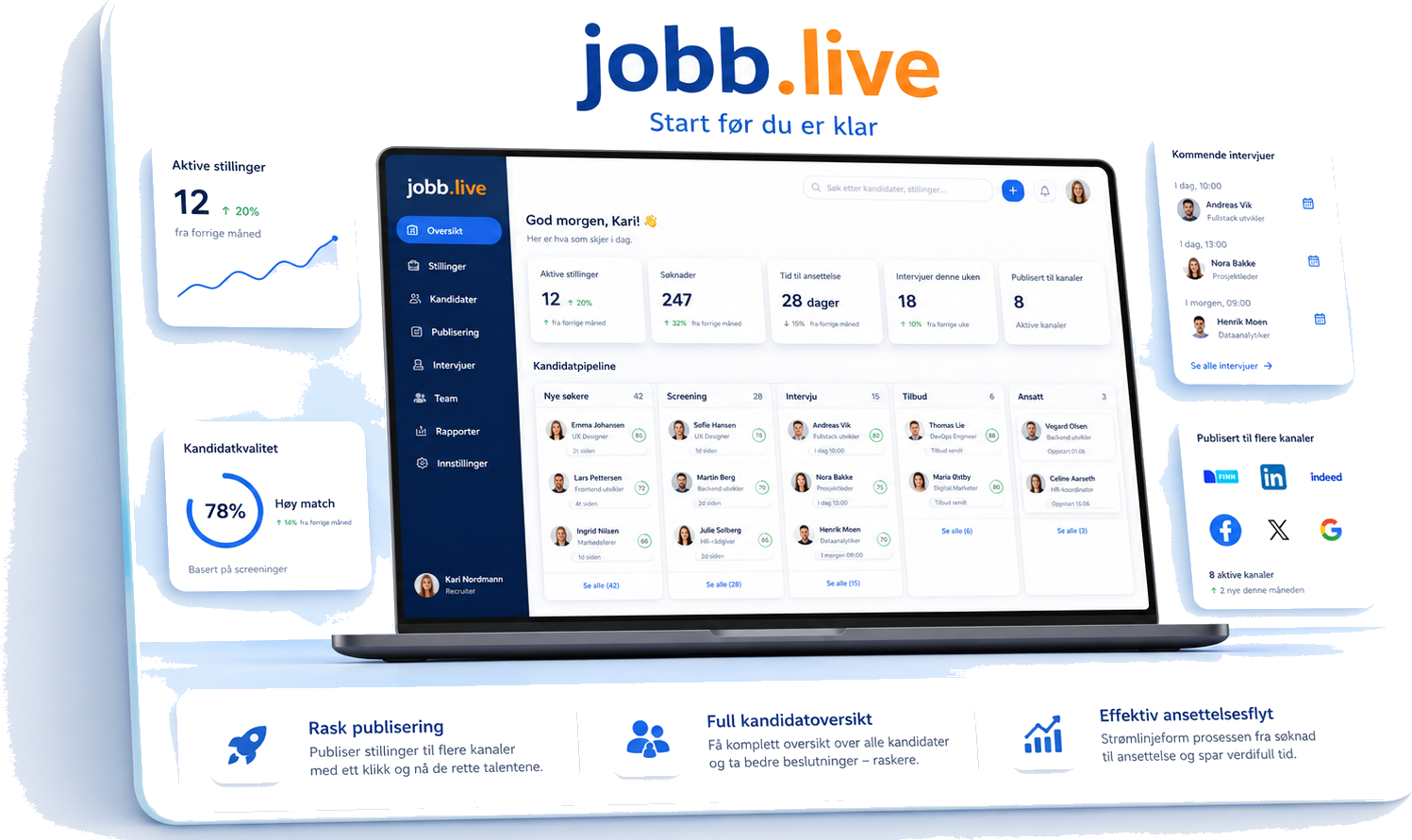
Jobb.live turns the job portal into an active entry point to work, not just a list of vacancies. Candidates can start with a low threshold, get a first match and build their profile gradually. The system connects positions, job pools, geography, experience, interests and skills gaps to explainable recommendations.

Role in the ecosystem: Jobb.live connects people to realistic pathways into work.

Read more
LearnPath

LearnPath

Learning linked to occupation, role and skills gap

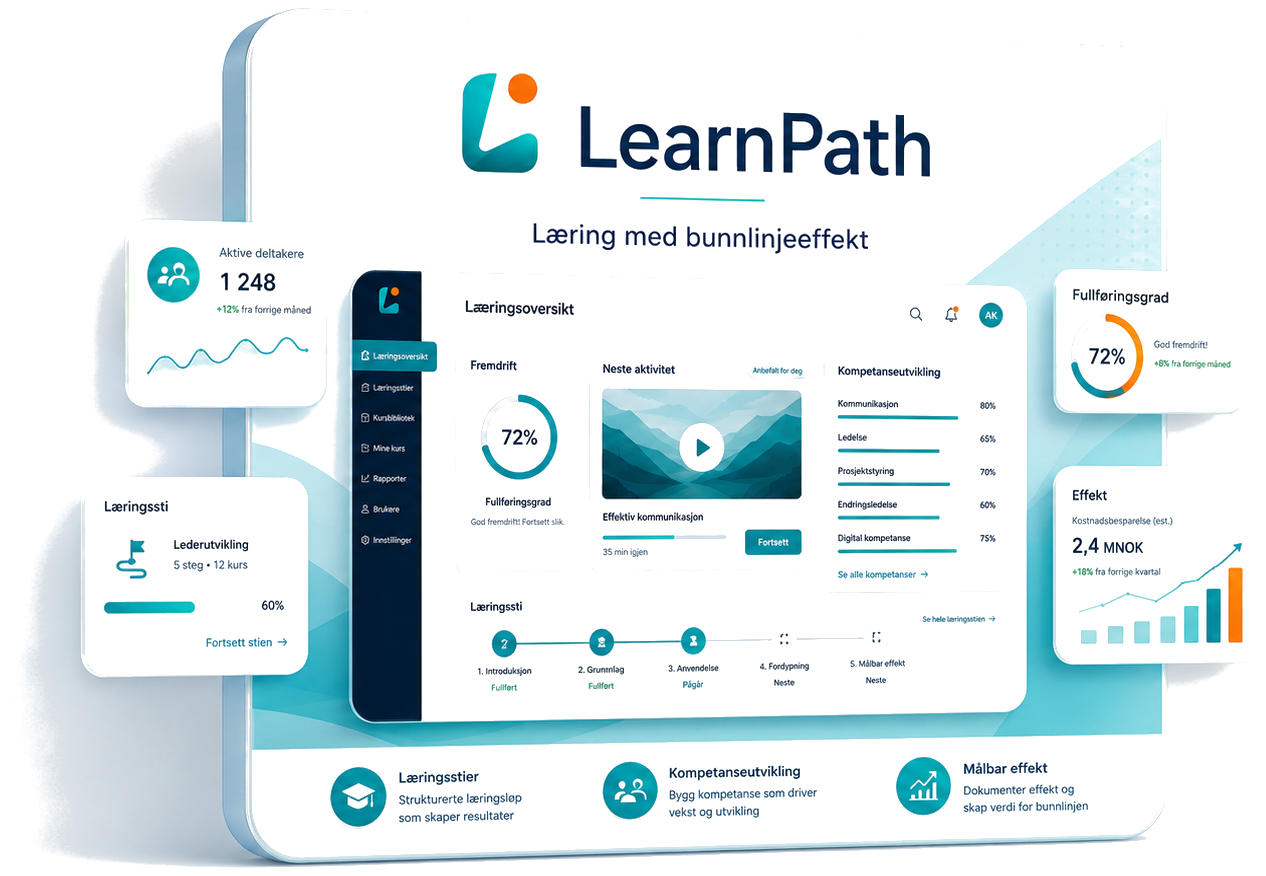
LearnPath makes skills development personal and occupationally relevant. When a user is connected to an occupation, a position or a job pool, the system can recommend courses related to the most important skills for that exact role. The learning thus becomes directly linked to the next step, rather than being general.

Role in the ecosystem: LearnPath turns skills gaps into concrete learning paths.

Read more
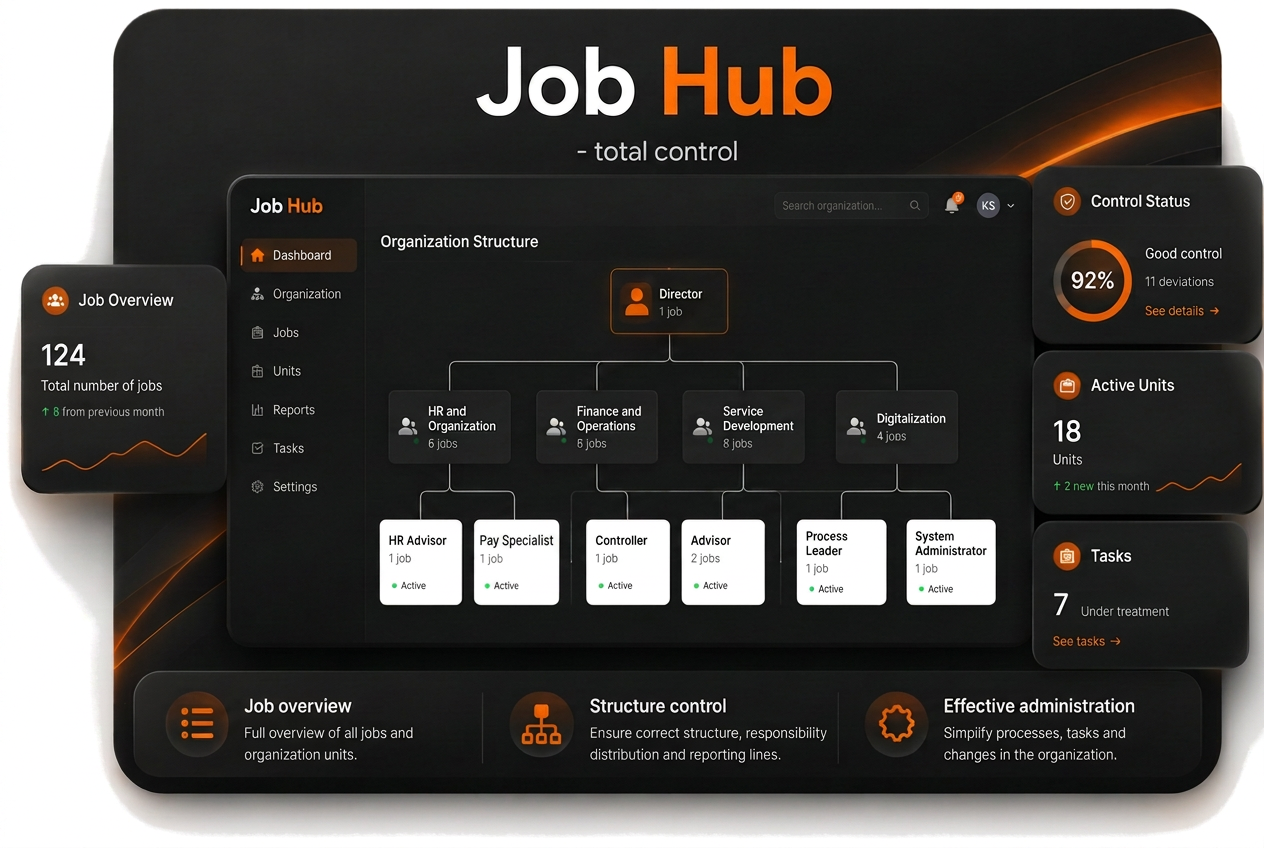
Job Hub

Job Hub

Structured job descriptions for HR and organizational development

Job Hub helps businesses build, quality-assure and maintain job descriptions. Internal roles are linked to the occupational catalog and skills framework. The result is more consistent positions, a better foundation for HR, clearer skills requirements and more precise recruitment.

Role in the ecosystem: Job Hub provides the business with a structured language for roles and requirements.

Read more
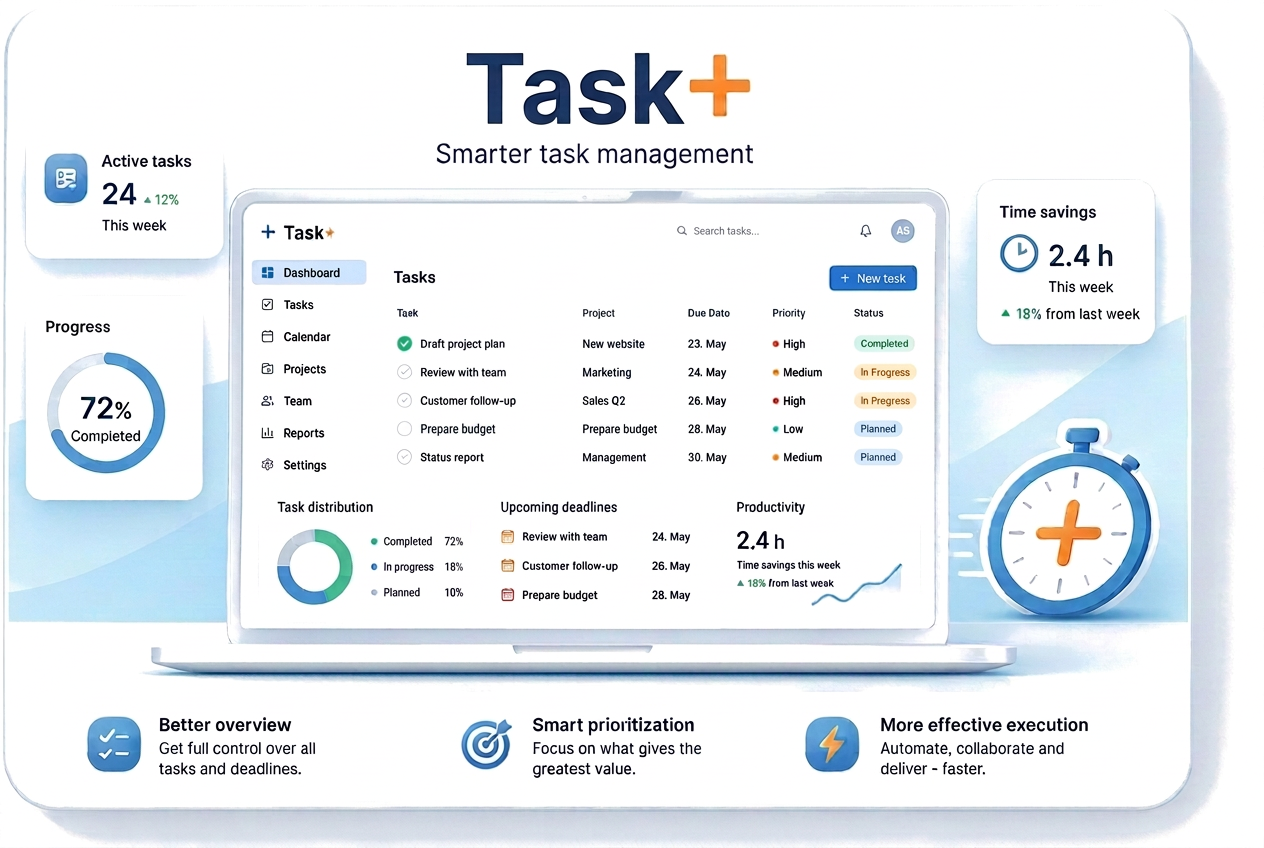
Task+

Task+

Task-based skills mapping and training

Task+ analyzes work tasks in a business and links them to skills requirements, complexity and training needs. The system can identify which tasks require formal skills, and which can be performed by others with the right training and onboarding.

Role in the ecosystem: Task+ makes it possible to use labor smarter and build skills through actual tasks.

Read more
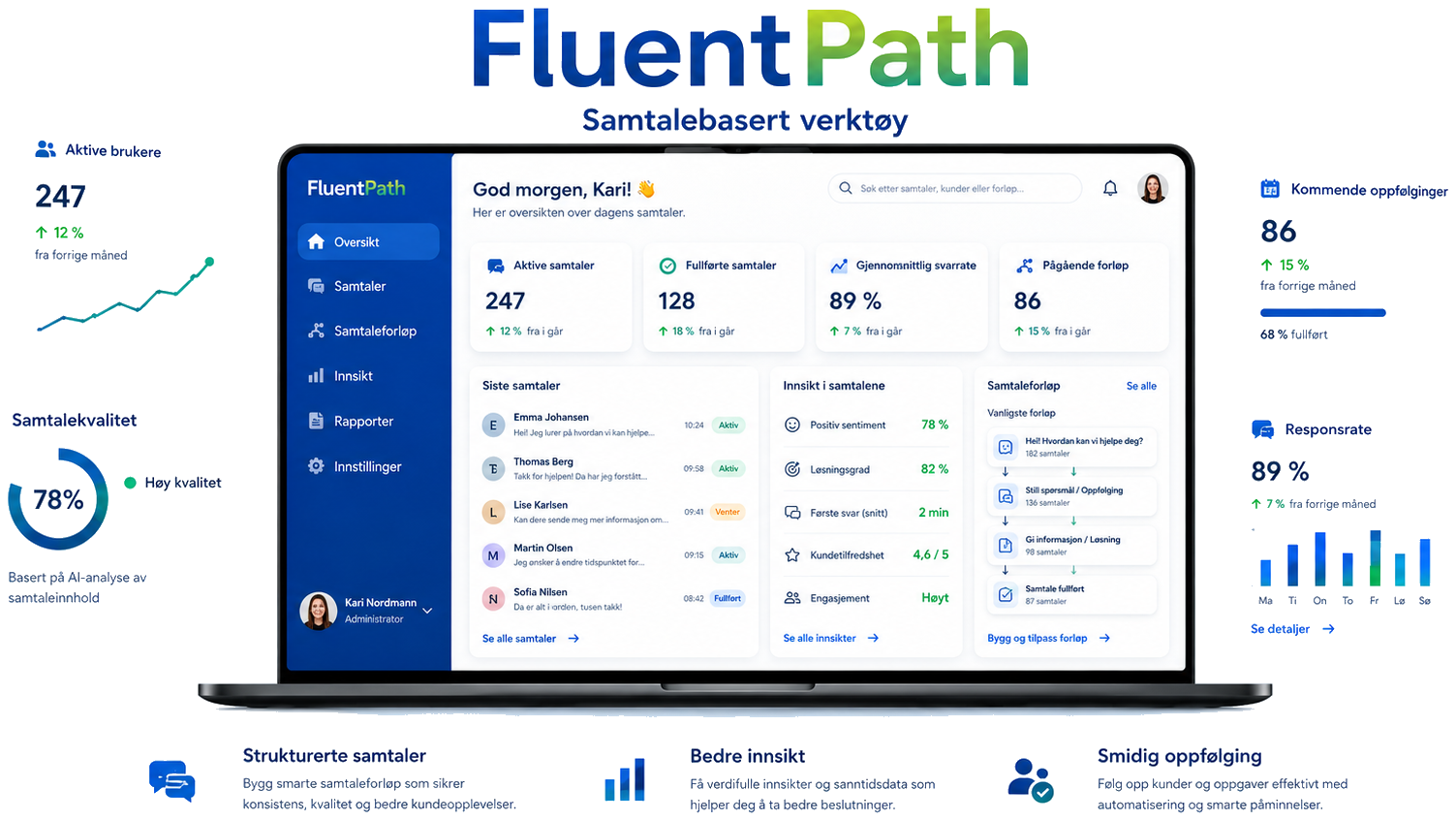
FluentPath

FluentPath

Language and work-life learning linked to occupation

FluentPath provides personalized Norwegian language training and work-life learning for people entering or progressing in the Norwegian workforce. The content can be adapted to the user's occupation, level, native language and goals, so that language becomes a bridge into work – not a barrier.

Role in the ecosystem: FluentPath reduces language barriers and strengthens labor inclusion.

Read more
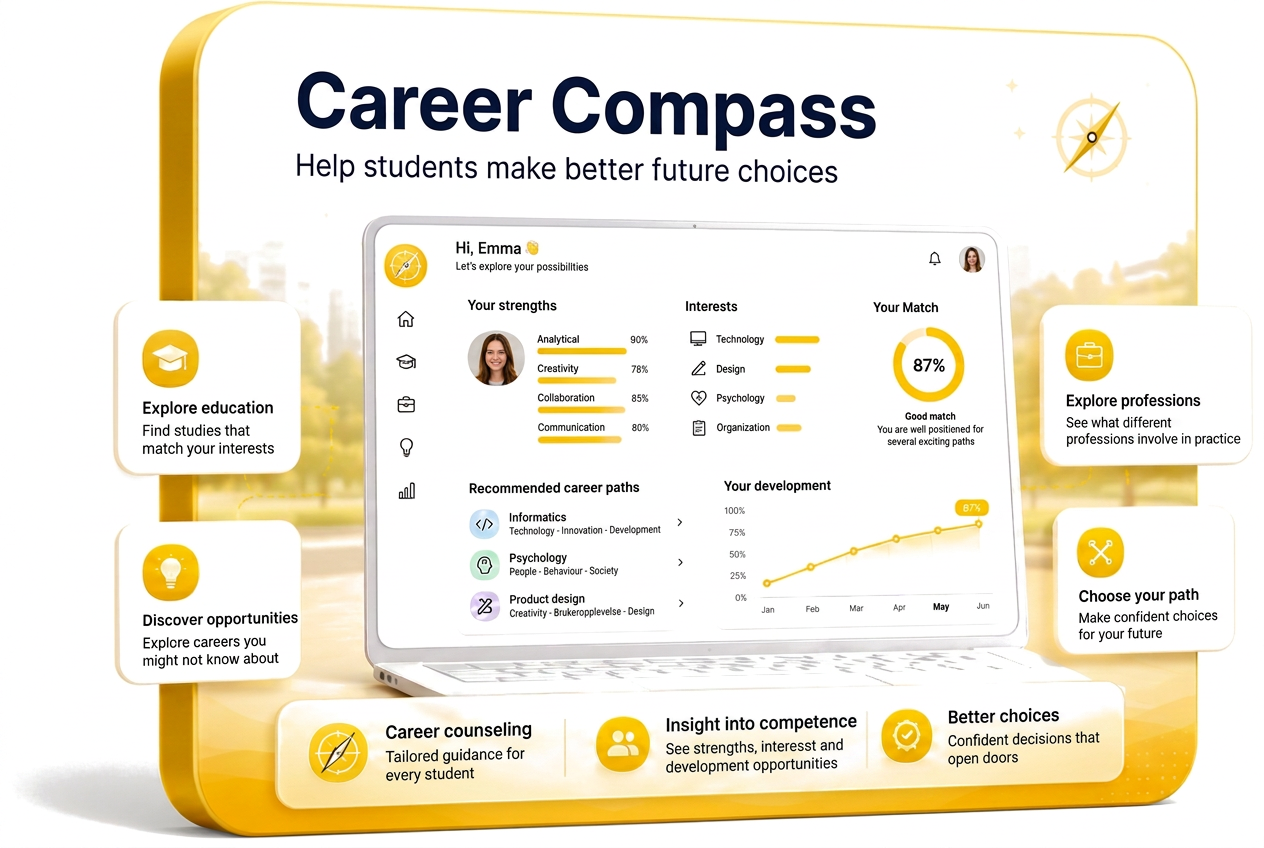
Career Compass

Career Compass

Career learning for youth

Career Compass helps students with self-understanding, choice competency, self-efficacy and exploration of education and work life. Students explore interests, strengths, values, occupations and educational paths before making important choices. Teachers also receive a complete teaching plan.

Role in the ecosystem: Career Compass is the start of the lifelong skills journey.

Read more
Readiness Compass

Readiness Compass

Skills, roles and capacity in emergency preparedness

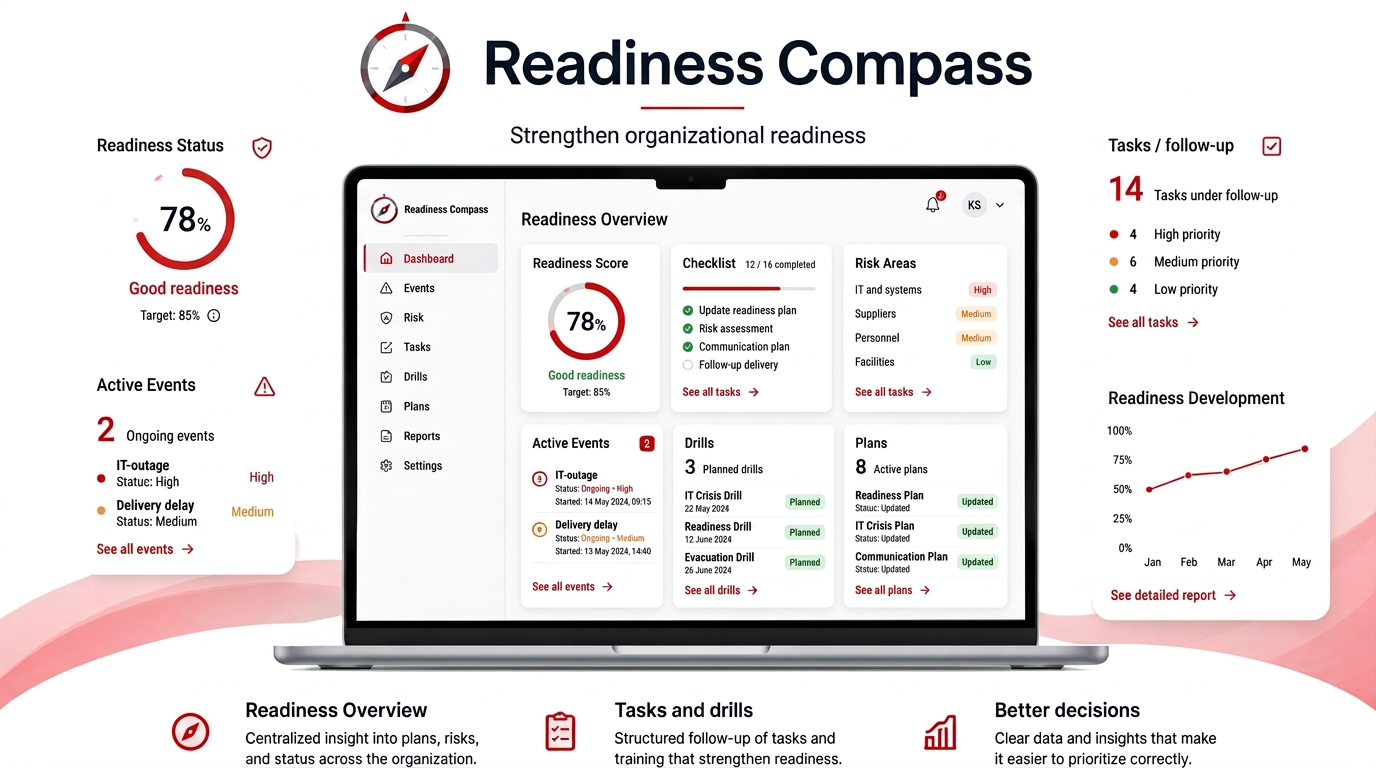
Readiness Compass uses the occupational catalog, MIRA skills and semantic analysis to assess roles, functions and skills gaps in emergency preparedness work. The system helps municipalities and businesses move from planning to operational readiness.

Role in the ecosystem: Readiness Compass shows how skills can be mobilized when society needs it most.

Read more
The user at the center

One profile. Many opportunities

The entire ecosystem is built around the user and the user's ownership of their own skills profile. A person can start in Career Compass in lower secondary school and explore interests, strengths and possible occupations. Later, the person can build further on the profile in Career Passport with work experience, courses and practical skills.

When the person applies for a job through Jobb.live, the profile is used to explain relevant job paths and identify skills gaps. LearnPath can suggest courses that strengthen the match. If the person is hired in a business that uses Synchrocity's HR solutions, the profile can be used further for internal development, new tasks and career paths.

  1. 1
    Lower secondary school
    Exploring interests and occupations
  2. 2
    Education
    Subjects, practice and certificates
  3. 3
    First job
    Experience becomes structured skills
  4. 4
    Transition
    Skills gaps connect to learning
  5. 5
    Onward career
    Internal mobility and new roles

One profile, owned by the user — it follows the person all the way.

The skills profile follows the human – not the system.

Target Groups

One infrastructure. Value for many actors

Because the ecosystem builds on a common language for skills, it can create value for multiple target groups simultaneously.

For the individual

Get an overview of what you can do, what you are suited for, what you are missing and which steps you can take next.

  • Makes experience and prior learning visible
  • Provides better career choices
  • Suggests relevant jobs and courses
  • Shows concrete next steps

For employers

Describe needs better, find the right candidates, develop own employees and use skills smarter.

  • Better recruitment
  • More precise internal mobility
  • Updated job descriptions
  • Targeted skills development

For education

Connect learning more closely to work life, occupations, tasks and the students' own interests.

  • Better educational choices
  • More relevant career guidance
  • Connection between school and work life
  • Early development of choice competency

For public actors

Highlight hidden skills, qualify faster, support inclusion and build better skills preparedness.

  • Faster path into work
  • Better qualification pathways
  • Support for transition and inclusion
  • Mobilization of labor when needed

For partners

Deliver local services with national infrastructure, shared methodology and scalable digital tools.

  • Own portals and local services
  • Shared data foundation
  • Better candidate follow-up
  • Scalable models for collaboration
Why now

Work life needs better skills data

Work life is changing rapidly. Many businesses lack qualified labor, while at the same time much expertise is invisible because it is not found in formal CVs, diplomas or traditional HR systems.

Schools, employers, NAV actors, municipalities and training environments need a common language to understand what people can do, what work life needs, and how the gap can be closed. Synchrocity's ecosystem provides this common language – and makes skills more visible, more comparable and more applicable.

Visible skillsBetter matchingFaster qualificationLifelong learningInternal mobilitySocietal preparedness
In practice

How the ecosystem works in practice

SCENARIO 1

From unemployed to qualified candidate

A job seeker registers with a limited CV, but has practical experience, motivation and relevant interests. Career Passport translates the experiences into skills. Jobb.live matches the person against relevant job pools. LearnPath suggests courses that close skills gaps. The employer receives a better-mapped candidate with a clear development path.

Result: Lower threshold into work and safer recruitment.

SCENARIO 2

From internal role confusion to strategic HR

A business has many old and differing job descriptions. Job Hub structures the roles and links them to the occupational catalog. Career Passport HR maps employees against the roles. LearnPath recommends development measures. Task+ shows which tasks can be distributed differently.

Result: Better position structure, more precise skills development and smarter use of employees.

SCENARIO 3

From school choices to lifelong career development

A student uses Career Compass to explore interests, strengths and occupations. Later, experiences from education, practice and work are built into Career Passport. The profile can be used for job matching, learning, prior learning assessment and further career choices.

Result: A digital common thread from school to work and further career.

Do you want to see how the ecosystem can be used in your organization?

Synchrocity's ecosystem can be used by employers, municipalities, educational actors, NAV partners, training environments and organizations that want better insight into skills, mobility and development.

We are happy to show how the products can be put together for your needs – whether the goal is recruitment, internal HR, inclusion, training, school–work life or emergency preparedness.